Adventures in Indian cooking

There is nothing comparable to fresh spices, sold at market, from a stall crammed with tubs and bins of all shapes and sizes. Holding so many treasures, you can lose yourself in the aisles and in your culinary musings. But then you regain your focus, and place tubs of garam masala, cayenne as bright as a blazing summer day, and earthy cumin seeds on the counter for weighing. Then on to the fresh ingredients. The trinity of ginger, garlic, and onions. A forest of spinach, vibrant Serrano chiles, and the mild squeak of paneer.  Lamb and chicken to marinate and braise to fragrant perfection.

My boyfriend and I spent a Sunday in the kitchen together not too long ago preparing a dinner party with these beautiful ingredients, giving me the chance to expand my home cooking horizons to South Asian cooking. I’m a huge fan of the flavors, as is he, and he makes a gorgeous Chicken Tikka Masala. A colleague gave me a modern Indian cookbook as a thoughtful holiday gift, knowing that I’d been wanting to try making some of the dishes myself. We added Lamb Korma, Saag Paneer, Onion Bhajis, homemade Naan, and a cake from the book that I put a few spins on to our menu – simmering blood oranges until tender, soaking saffron threads in warm milk until they infuse it with their golden color, and combining ground pistachios and almonds with egg yolks, sugar, and cardamom before folding in the soft peaky whites. We served the cake with pistachio ice cream – prompting a “mmmmmmmmm!” from our youngest diner! It was a wonderful way to try a number of dishes we love at home, and share them with friends.

None of the recipes were my own, so I have not shared them, but I am sharing a few pictures:

Saag Paneer:

image3

Homemade Naan:

image1

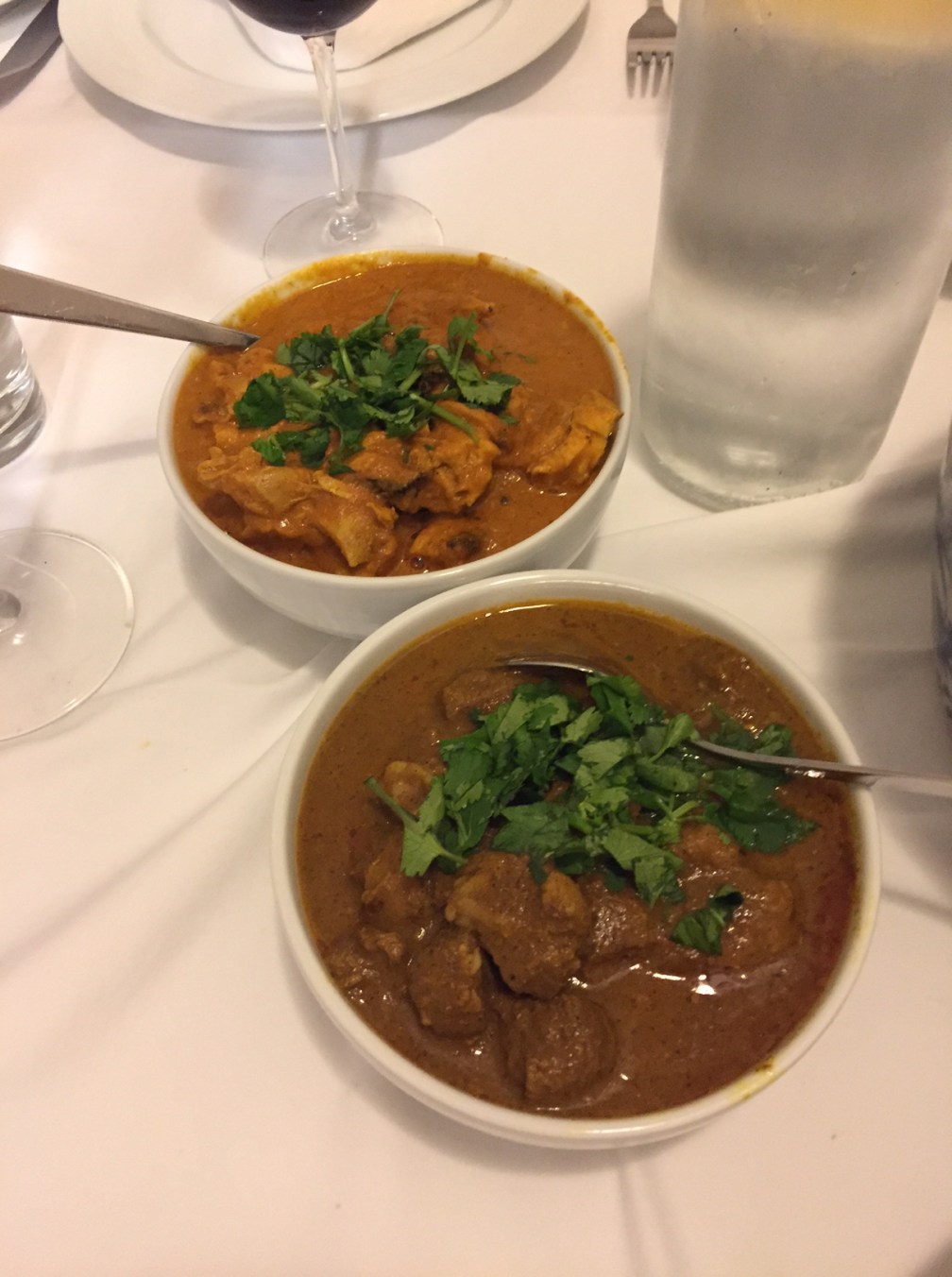
Chicken Tikka Masala and Lamb Korma:
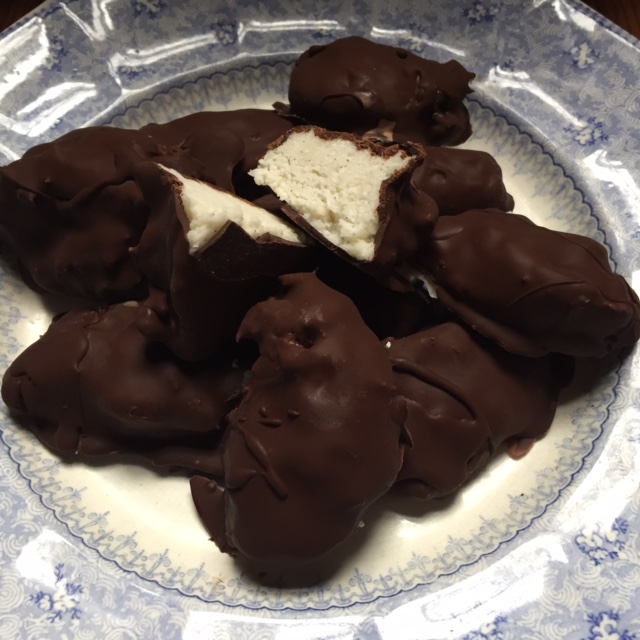
image2

Chocolate-coconut Easter eggs

Here in the Mid-Atlantic, coconut, peanut butter, or buttercream chocolate-covered eggs are ubiquitous at Easter. If you like them, you typically have a preferred flavor of the bunch, and coconut gets my vote! These are simple to make, deep and rich in flavor, and are not terribly sweet. After Easter, they’re perfect for a candy fix in any shape you like.

IMG_6406

Continue reading

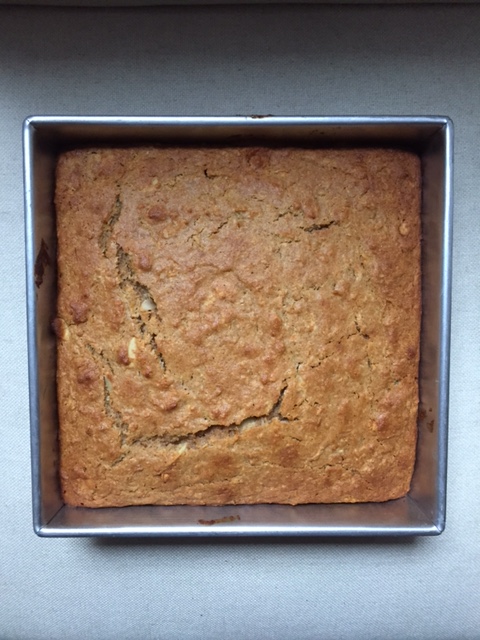
Carrot-coconut coffee cake (hello, alliteration!)

Well, goodness! I cannot believe it’s been so long since my last post and I apologize for being gone for so long. I return to blogging today with a recipe I’ve developed over the past few years for a carrot-coconut coffee cake studded with slivered almonds. It’s a different take on carrot cake, and great for breakfast, too!

carrot cake

Carrot-coconut coffee cake

2 1/4 cups spelt flour

1 tsp. baking powder

1/4 tsp. baking soda

1/2 tsp. cinnamon

1/2 cup slivered almonds

1/2 cup shredded unsweetened coconut

1/3 cup melted salted butter

1 cup buttermilk

3/4 cup honey (a lighter one such as wildflower or clover)

1 tsp. vanilla extract

2 large eggs

2 cups shredded carrots

Preheat the oven to 375 degrees F. In a medium bowl, combine flour, baking powder, baking soda, cinnamon, almonds, and coconut and stir to mix. Set aside.

In a large bowl, whisk together melted butter, buttermilk, eggs, vanilla, and honey. Add the carrots and stir to mix. Add in the dry ingredients and mix until just combined. Pour into a greased 9″ round or square 9 1/2″ by 9 1/2″ pan as I’ve done here, and bake for approximately 40 minutes, or until a tester inserted in the center comes out with a crumb or two clinging to it.

Blood orange posset

A posset is almost an egg-less custard; a magic suspension of citrus in cream and sugar. It’s a very old English dessert (dating to the Middle Ages), is deceptively simple, and is nowhere near as rich as you might imagine. This is a creamsicle in nearly drinkable form. I unfortunately don’t have a picture of it, but if you make it, send me yours!

Blood orange posset

2 cups heavy cream

1/2 cup sugar

1/4 cup orange blossom honey

Juice and zest of two blood oranges (any variety)

Combine all ingredients in a small saucepan over medium-low heat, stirring regularly to dissolve the sugar. Allow the mixture to come up to a boil, and stir constantly to avoid bubbling over. Let it boil for approximately two minutes, then remove from the heat. Pour into pudding cups, juice glasses, or small bowls and chill for at least three hours. Note: posset is a soft-set dessert; it will not set as an egg-based custard would. Also, if you’ve got fiori di sicilia (see my post on ricotta cheesecake), I think a drop or two would be perfection in this.

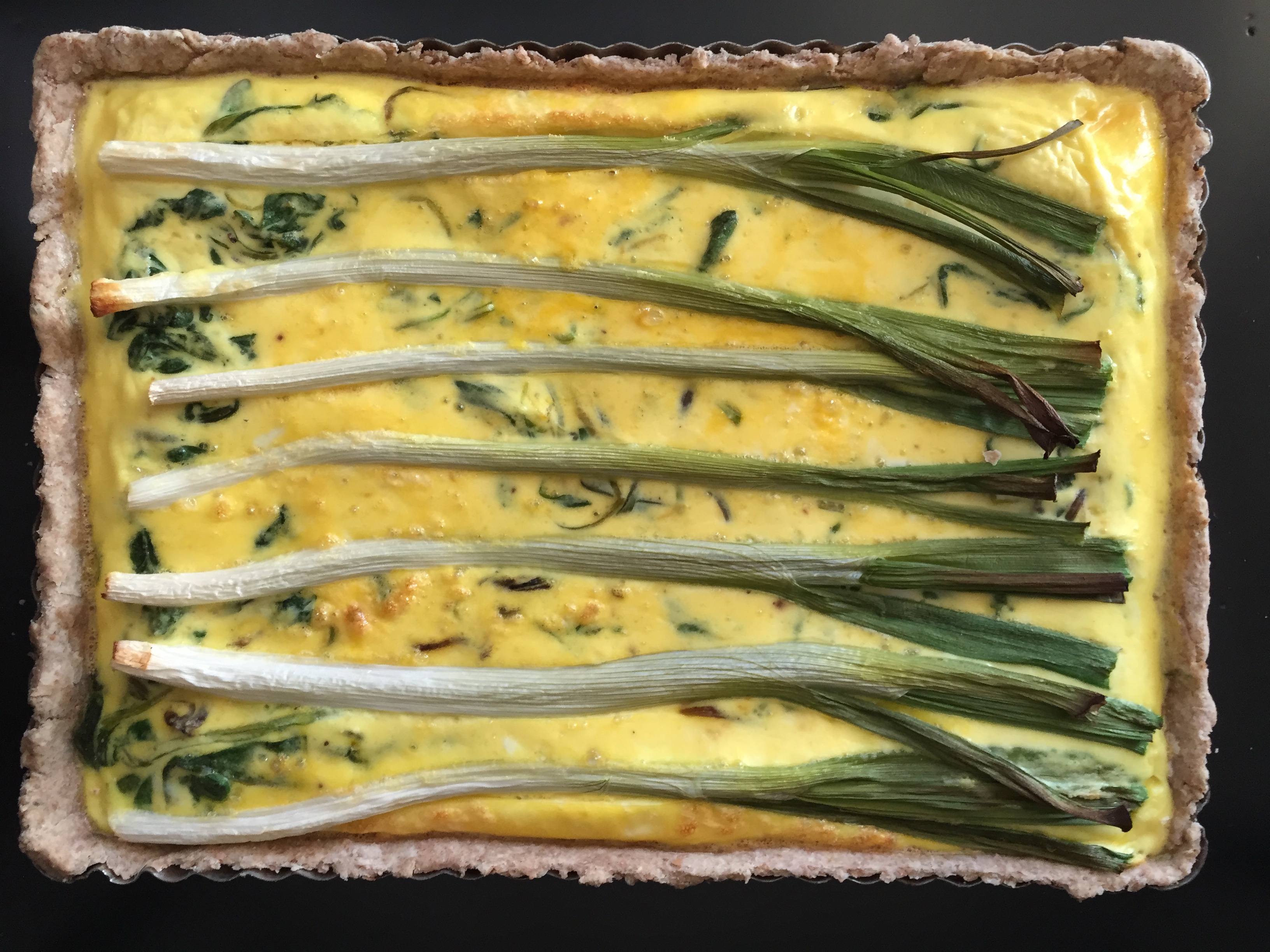
Scallion, swiss chard, and ricotta tart

IMG_4577

Spring’s getting off to a very late start where I live this year. It snowed a decent amount just a few weeks ago, pushing all the produce you’d typically see by early April behind schedule. My beloved rhubarb is nowhere in sight, even on import from England or the Netherlands. At market this weekend, however, I was able to find a few beautiful green signs of the season, including scallions and baby swiss chard. This tart is a play on different textures, but a host of savory flavors. I served it alongside a coq au vin blanc and a salad full of watermelon radish, blood orange and grapefruit, watercress, butter lettuce, pistachios, shaved fennel, and goat cheese.

Scallion, swiss chard, and ricotta tart

Serves 7-8 as a starter, or 4 as a main

For the crust:

2 cups whole grain spelt flour

1/2 tsp. sea salt

1 tsp. dried thyme

1/2 cup cold water

1/4 cup good quality extra virgin olive oil

For the filling:

Two bunches (roughly 4-5 cups) of baby swiss chard, rinsed and dried thoroughly, chopped roughly. You could also use baby arugula, kale, whatever’s available or you like best

4 cloves garlic

2 tbsp. olive oil

Juice and zest of one small lemon

6 eggs

1/2 cup fresh whole-milk ricotta

1/2 tsp. sea salt

1/2 tsp. freshly cracked black pepper

1 bunch scallions, trimmed of their bulbs and tops to fit an 8″ x 11″ tart pan

Preheat the oven to 400 degrees fahrenheit. First, braise the chard: Heat the olive oil over medium-low heat in a sauté pan. Finely mince the garlic and add it to the oil, swirling it to infuse the flavor. Let the garlic toast to a light golden brown, and then add the chard, cooking until the chard is fully wilted, about 7 minutes. Squeeze the lemon juice over, season with a little salt and pepper, stir to combine, and remove from the heat. Let cool.

In a medium bowl, combine the eggs, ricotta, 1/2 tsp. sea salt, the lemon zest, and 1/2 tsp. black pepper and whisk thoroughly until very smooth. Set aside.

Next, make the crust: in a large bowl, stir together the flour, remaining 1/2 tsp. sea salt, and dried thyme. Stir in the olive oil, followed by the water until a dough comes together. You may need a little more water, but you are not after a sticky dough here. Turn out onto a lightly floured board and knead gently. Roll out to fit a 8″ x 11″ rectangular tart pan (as I used; you could just as easily use a round tart pan, but you’ll have extra dough leftover). Trim the edges to fit. Spread the chard mixture on the bottom of the tart, and pour the ricotta-egg mixture atop. Swirl together ever so slightly so the greens peek through. Lay the scallions vertically across the top, and bake for roughly 30 minutes, or until the filling is puffed and golden and the scallions are soft and slightly browned. Serve hot, warm, or at room-temperature. This one’s versatile!

Moroccan-French apricot lamb shoulder

IMG_4544

When it’s cold, a slow-braised dish is the ticket. Something that cooks until it’s fall-apart tender, utterly comforting, and perfumes the entire house. I had been kicking around a Middle Eastern-spiced lamb and tested seasonings until I arrived at this, a lamb shoulder that cooks until it is fragrant perfection. Be sure to use unsulphured apricots as sulphured will change the flavor. Aleppo pepper is not Moroccan, but a flavorful Syrian dried pepper that adds a subtle heat.

Moroccan-French apricot lamb shoulder

Serves 5-6

1 4.5-4.75 lb. bone-in lamb shoulder
1 1/2 cups dried, unsweetened, unsulphured apricots
1 cup dry red wine
3 cups lamb or chicken stock
1 cup water

1 tsp. dried thyme

1 tsp. turmeric

1 1/2 tsp. cumin

1 1/2 tsp. aleppo pepper

2 cinnamon sticks

4 tbsp. olive oil

1 large yellow onion, chopped

3 cloves garlic, smashed

Salt and pepper

Handful of chopped fresh flat-leaf parsley

1/4 cup sliced almonds

Preheat oven to 375 degrees farenheit. In a large stew pot/dutch oven, heat olive oil over medium-high heat. Season lamb with salt and pepper and sear on all sides, roughly 4-5 minutes on each side. Add wine, stock, and water and turn the heat down to medium. Add apricots, all spices, garlic, and onion. Bring up to the boil, put on the lid, and put into the oven. Let cook for approximately 3.5 hours, or until the sauce has reduced by two-thirds and the lamb is falling off the bone. Discard cinnamon sticks, and serve topped with chopped parsley and sliced almonds.

Pain d’épices pancakes for Mardi Gras

IMG_4385

Happy Pancake Day/Mardi Gras/Fastnacht Day (if you are from Pennsylvania)! Pain d’epices is a French gingerbread from Dijon, and I thought it might translate well into pancake form. It’s not too sweet, deep and spicy, with brightness from orange zest.

Pain d’épices pancakes

Yield: 8-10 medium-sized pancakes

1 1/2 cups spelt flour

1/2 cup rye flour

1 tsp. baking powder

1/2 tsp. baking soda

1/2 tsp. cinnamon

1/2 tsp. ginger

1/8 tsp. ground nutmeg

1/8 tsp. ground cloves

1/8 tsp. white pepper

1/8 tsp. ground aniseed (optional)

1 tsp. freshly grated orange zest

2 tsp. honey (wildflower, orange blossom, clover, whatever you like)

1 egg

1 tbsp. melted butter, plus extra for cooking

1 cup milk

1/4 cup buttermilk

In a large bowl, whisk together the flours, baking powder and soda, spices, and orange zest. Make a well in the middle, and add the honey, egg, melted butter, milk and buttermilk and whisk to combine. Melt a little butter in a skillet over medium-low heat. Cook pancakes until a few bubbles form, then flip and cook for another minute or two until done. Serve with butter and honey. Laissez les bon temps rouler!

Croatian butternut squash and cheese burek

IMG_4367

If you ever have the chance to, you must go to Croatia. It’s a truly stunning country with water unlike any I’d seen before, so much history to explore, incredible people to meet, and simple, yet lovely food. The air was full of thyme, oregano, figs, and salt water. I had so many memorable meals, and anyone whom I’ve talked to about it has known that it left a big impression upon me. The first Croatian meal I had was a savory pastry, a burek, on the flight from Zürich to Split, served with wine (heaven!) while being dazzled by the teal ringed-islands that began to appear below. Upon landing, the airport was surrounded by an olive grove, and I knew I’d come to a place I would love.

My mother’s cuisine involves the Armenian version of this, an Ottoman creation that followed them through Europe and the Middle East. I was inspired by the flavors I had in subsequent days in Split, on the islands of Hvar and Korçula, in Dubrovnik, and in Montenegro, and devised my twist on this classic. The combined scent of thyme and oregano is inexplicably Croatian to me now, and these baking took me right back.

Croatian butternut squash and cheese burek

Yield: 8

2/3 cup butternut squash purée (see note)

1/3 cup of fresh ricotta, drained of excess liquid

1/2 cup finely grated paski sir (a Croatian hard cheese that is fairly available in the US)

1/2 tsp. fresh thyme leaves

1/3 tsp. dried oregano

1 tbsp. extra virgin olive oil

1/2 tsp. sea salt

1/3 tsp. white pepper

1 lb. puff pastry, thawed

1 egg, lightly beaten

Preheat the oven to 400 degrees F. Combine the squash purée, cheeses, olive oil, herbs, salt, and pepper in a bowl until light and fluffy. Set aside. Lightly flour a work surface and roll out the puff pastry. Cut into eight rectangles, and fill each with about a tablespoon of the squash mixture. Fold over and crimp with a fork to seal the edges. Brush the tops with the beaten egg, and bake for approximately 20 minutes or until a deep golden brown and flaky.

Note: If you are making your own squash purée, be sure to let it drain of excess liquid after roasting and puréeing.

IMG_3323

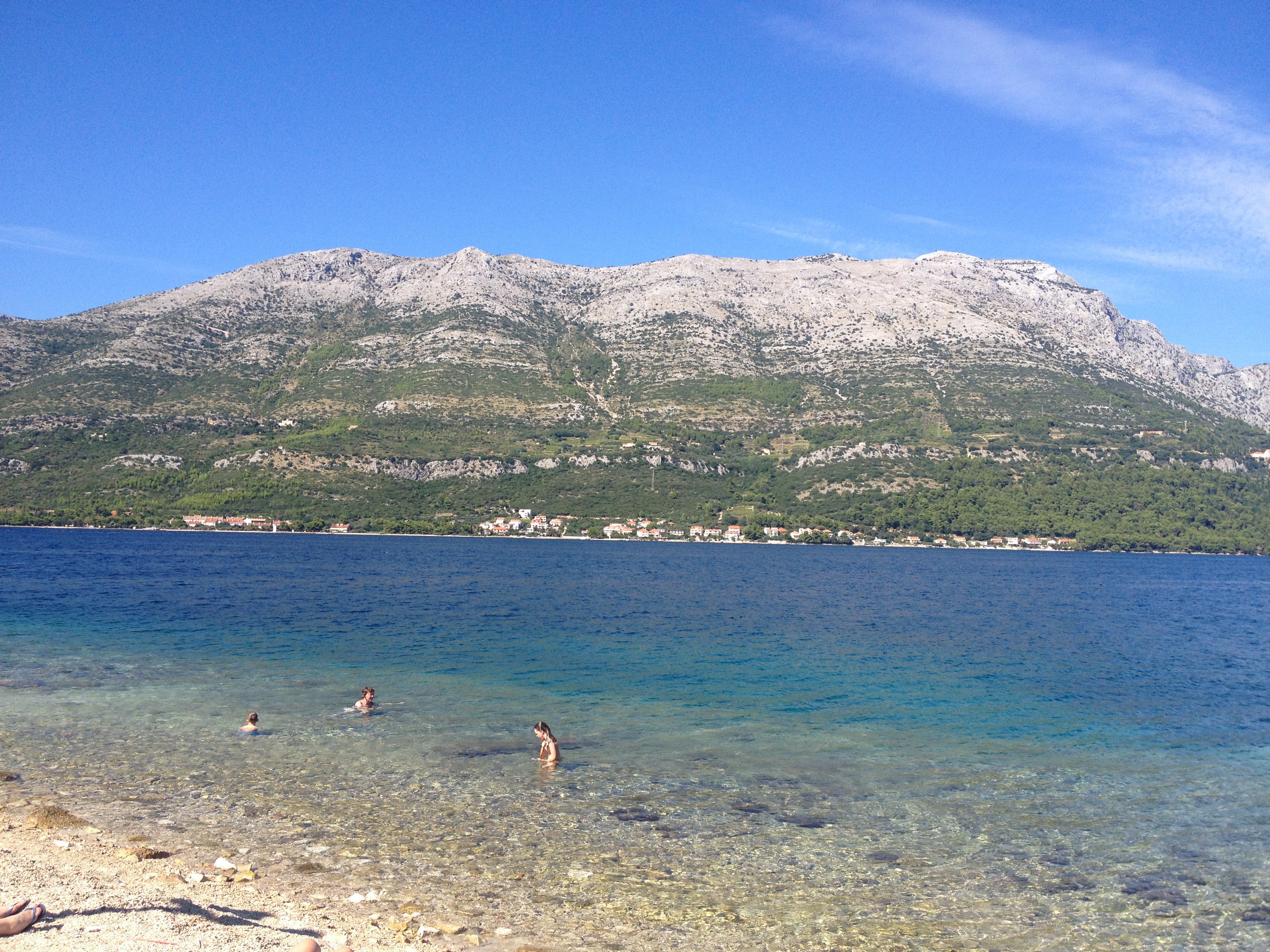
An afternoon swim on the island of Korçula.

Apricot semifreddo

apricotsemifreddo

Apricots are such a delicate reminder of summer, and all too often, end up bruised and discarded after their fleeting ripeness. I was able to find some early season ones over the weekend, and wanted to keep them in a way. I don’t have an ice cream maker at the moment, but an Italian semifreddo is made without one and has a melting velvety texture that works so well with fragrant, slightly tart apricots, honey, and vanilla. Semifreddo, meaning “half frozen,” is a true treat.

Apricot semifreddo

6 medium ripe apricots, washed and scored gently on one end (just enough to pierce the skin, not the fruit itself)

2 cups chilled heavy cream

3/4 cup raw honey

7 egg yolks

Seeds scraped from half of a vanilla bean

Bring a large pot of water to a simmer and drop apricots in for about two minutes. Remove from the heat and rinse under cold water. Pat dry and gently peel the skins from the fruit. Stone the apricots and chop. They will be very juicy, but make sure you reserve the juice from the cutting board.

In a large bowl, whip the cream to soft peaks and place in the refrigerator until ready to use.

Bring a small saucepan of water to a simmer. In a medium metal bowl, combine egg yolks and honey. Place over the simmering saucepan and whisk constantly until the mixture is opaque, glossy, and has doubled in size. This will take anywhere from 10-15 minutes. When the mixture is ready, take the bowl off the heat and pour into the bowl of a stand mixer (or have a handheld mixer ready). Add the vanilla and beat on high speed until the mixture is very light and has cooled, about 5 minutes in a stand mixer or 8-10 in a handheld mixer. Gently fold in the cream, followed by the chopped apricots and reserved juice. Pour into a loaf pan lined with plastic wrap, and freeze overnight. Note: the semifreddo will not freeze completely like ice cream.


My best rhubarb cake

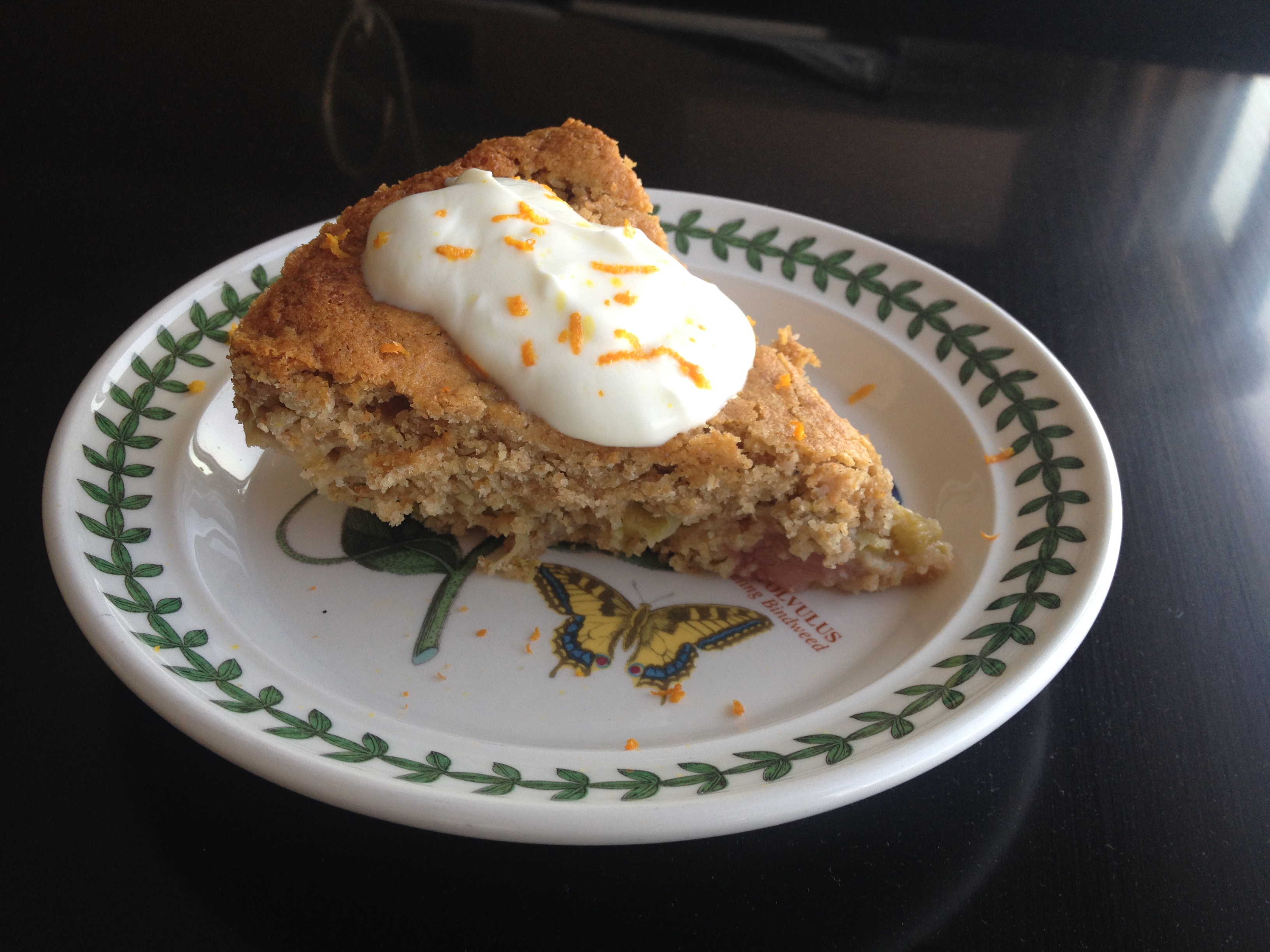
A few years ago, I was standing in line at a market with my arms full of rhubarb when an older woman walked up to me and asked what I was holding and what one would do with it. I was so surprised! I’ve always thought of rhubarb as an old-fashioned ingredient. It’s a vegetable that is marketed as a fruit thanks to a growers’ campaign decades ago. My parents have spoken of their mothers stewing it with white sugar, which neither particularly liked. I like to add depth to the tart, sharp rhubarb with honey, vanilla, and orange. This cake can be served for dessert, breakfast, or a snack, with ice cream, yogurt, or as-is. 

Image

Rhubarb cake 

2 1/2 cups spelt or whole wheat pastry flour

2 tsp. baking powder

1/4 cup salted butter, softened 

Seeds scraped from 1/2 vanilla bean 

1 cup wildflower or clover honey (if you love citrus, go to town and use orange blossom honey) 

1 tsp. freshly grated orange zest 

2 tbsp. orange juice 

2 eggs at room temperature 

1/2 cup milk (I’ve used whole, skim, and a mix of the two. All have worked well) 

2 cups rhubarb, chopped into small pieces 


Preheat the oven to 350º F. In a medium bowl, whisk together the flower and baking soda; set aside. Cream butter and vanilla until light and fluffy, about 5 minutes. Add the honey and orange zest and cream until the mixture resembles a light frosting, a further 5 minutes or so. Add the eggs, one at a time, followed by the orange juice, beating well after each addition and scraping down the sides of the bowl. Add the flour and milk in alternating batches until just combined. Stir in the rhubarb and turn batter out into a greased 9″ round cake pan. Bake 50-55 minutes, or until a cake tester comes out with just a few crumbs clinging to it. Serve the cake warm or cooled.